

A Practical Guide When Hosting At North Miznon
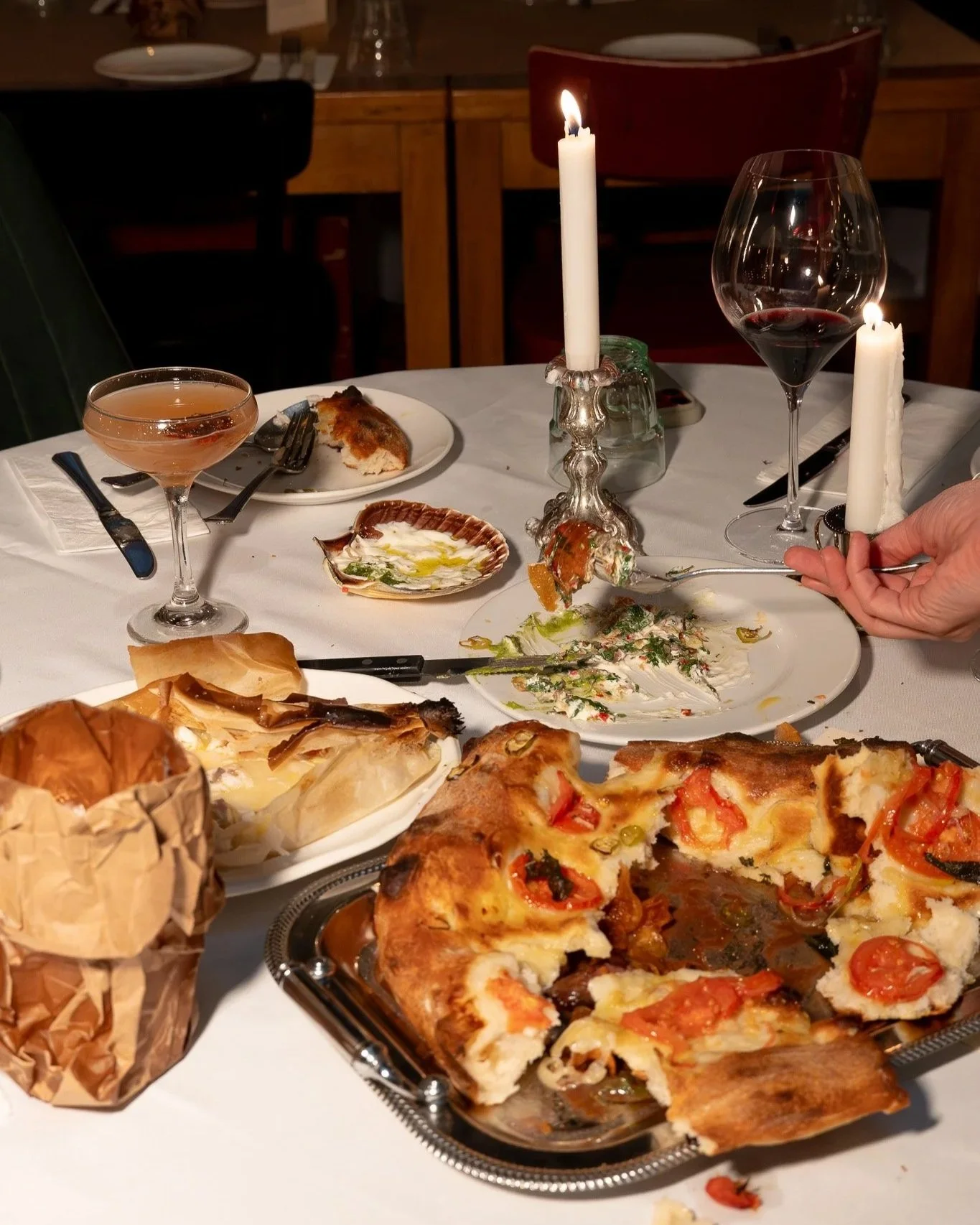
How to build a scrumptious table at North Miznon Singapore that feels generous, balanced, and easy to enjoy from the first plate onward.
Bringing someone to a restaurant you love can be strangely high-pressure because you are not just booking dinner, you are setting a tone and quietly hoping the whole thing lands the way it does in your head.
That is especially true at North Miznon Singapore.
It is not the kind of place you choose when you want something flat or forgettable. You bring people here because the room has life, the food has character, and the meal usually turns into more than just dinner.
But that also means the host often feels a little responsibile on how the night will turn out.
You want the first visit to make sense. You want your guest to enjoy the table without feeling confused by the menu or overwhelmed by too many choices.
This guide is for that moment.
Not for the person wondering whether to visit at all, but for the person who has already decided: I’m bringing them here.
The question now is what to order, how to order it, and how to shape a first table that feels welcoming rather than overthought.
A good first meal at North Miznon Singapore does not come from trying to show off everything at once. It comes from balance.
A table that opens well, moves naturally, and lets the person you brought understand the place without needing an explanation every two minutes.
Start by thinking about the person, not your favourites
The biggest mistake hosts make is ordering for themselves and calling it generosity.
That usually sounds harmless. You pick the dishes you already love, add one or two more because you feel responsible, and hope your guest will simply catch up and sometimes that works, but often it leads to a table that reflects your habits more than the person sitting across from you.
A better first move is to ask a few simple questions before you order.
Is the person adventurous, or do they prefer familiar flavours before they branch out? Do they like sharing, or do they take time to warm into a meal? Are they the kind of diner who gets excited by contrast and surprise, or the kind who relaxes when the table feels clear and balanced?
Once you think like that, the order starts to shape itself.
A first-timer who loves food and talks about restaurants may enjoy a bolder spread straight away.
Someone new to this kind of meal may be happier if the table begins with something clear, comforting, and easy to understand.
This does not mean you should play it safe to the point of boredom. It just means the table should be designed for the guest’s first experience, not as a summary of your own greatest hits.
Hosting well at North Miznon is less about showing range and more about reading the person.
A strong table needs balance more than drama
When people talk about a memorable meal, they often remember one or two standout dishes. But what made the whole dinner work was usually not a single plate; it was the balance of the table.
For a first visit, the best order usually has three things: something fresh, something warmer or deeper, and something that gives the kitchen room to show a little personality.
That structure keeps the meal from feeling either too safe or too chaotic.
The reason balance matters so much is that North Miznon works through rhythm.
A bright opening dish can wake the palate and set the tone. Something with more depth can make the meal feel grounded. A third dish that adds a different texture or mood can make the whole table feel more complete.
Without that rhythm, a table can end up one-note, even if the individual dishes are good.
This is also why you do not need to chase the loudest or most unusual options straight away.
A dramatic dish only lands well when the rest of the table supports it.
The real job of the host is not to create a spectacle; it is to create a meal that makes the first-timer feel carried along naturally from start to finish.
Begin with something that makes the table relax
The first dish does more than start the meal. It sets the emotional tone. If the opening feels right, the rest of the meal tends to follow more easily.
For someone visiting North Miznon for the first time, it helps to begin with something that gives immediate pleasure without requiring explanation.
This is not the moment to prove how adventurous the table can be. It is the moment to say, without words, you’re in good hands.
That opening dish should usually feel fresh, welcoming, and easy to share.
Something that lets people take a bite and settle into the room. It should not be too heavy, too intense, or so unusual that the whole table pauses to decode it before enjoying it.
This is especially useful if your guest is arriving from work, from another dinner before this one, or from a day that has already taken a lot out of them.
A good first plate softens the edges. It creates trust. Once that trust is there, you have more freedom with the next part of the meal.
Hosts sometimes forget that comfort is part of good ordering. Not boring comfort. Confident comfort.
The kind that helps the guest stop assessing the restaurant and start enjoying it.
Then build depth without making the meal too heavy
Once the table is settled, the next move is to bring in depth. This is where the meal starts to feel more serious, but it still should not become hard work.
A strong host knows that a first-timer does not need everything at once. They need a table that grows in confidence.
After a bright or easy opening, it makes sense to add something with more warmth, more richness, or more texture. This gives the dinner weight without making it collapse under its own ambition.
The important thing here is pacing. You do not need to order the whole story in one breath. Let the first dish do its work. See how the guest responds. If the table is hungry and curious, then move into something deeper.
If the person is naturally cautious, keep the progression clean and avoid jumping too far too quickly.
This is also where many hosts over-order. They assume that more dishes equal more generosity.
Usually, the opposite is true. A first table is kinder when it is edited. Too much food too early can make a guest feel as though they are trying to keep up rather than enjoy themselves.
A good host leaves room for the meal to grow rather than dumping everything onto the table at once.
Order differently depending on who you’re bringing
Not every first-timer should get the same table. One of the easiest ways to make this blog actually useful is to break that idea. A good order depends on who you are hosting.
If you’re bringing a food-loving friend
You can be bolder.
This person is likely to enjoy contrast, surprise, and a table with more movement. You do not need to over-explain. In fact, it is better to let the meal speak for itself and keep the energy loose.
If you’re bringing someone more cautious
Keep the table clear and easy to read.
Start with dishes that feel approachable and enjoyable straight away. Once they relax, you can stretch the meal a little further. The point is not to challenge them. It is to win their trust.
If you’re bringing colleagues or clients
Balance matters even more.
The table should feel polished and easy, not messy in a way that distracts from the conversation. Order enough to share, but not so much that the meal becomes the only thing happening.
If you’re bringing family visiting from overseas
This is often where the host feels the most pressure.
The best move is to resist overcompensating. Choose a table that reflects the restaurant well rather than trying to turn dinner into a full-scale demonstration. A few well-chosen dishes will do more than an overloaded table.
If you’re bringing someone vegetarian-friendly
Tell the team early and let them guide the spread.
North Miznon is vegetarian-friendly, and the best way to make that shine is to build a table that feels complete rather than separate.
Each of these situations asks for a slightly different kind of hosting. The more the order fits the person, the easier the whole meal feels.
Know when to stop ordering
One of the clearest signs of a relaxed host is knowing when enough is enough.
At North Miznon, it is easy to get excited and keep adding plates. The menu changes daily, the room has energy, and everything sounds like a good idea in the moment.
But first-timer tables are often strongest when they stop at the right point rather than chase one more dish for the sake of it.
This does not mean ending the meal too early. It means paying attention.
Is the guest still curious? Is the table comfortably full, or simply full? Did the last dish feel like a strong finish, or are you ordering now because you feel obliged to keep proving the restaurant is great?
Knowing when to stop is part of ordering well. It keeps the meal from losing shape. It also protects the guest from the feeling that the dinner is becoming a performance rather than an experience.
The easiest way to avoid over-ordering is to build in stages. Start with a few plates, let the table respond, then decide what is actually needed.
That is better than front-loading the whole meal and hoping it all finds its place.
The goal is not to impress them with quantity; it is to make them want to come back
A good host is not trying to win the night. A good host is trying to create the kind of first visit that leaves the guest thinking, I’d come back here on my own.
That is a very different goal from trying to impress them with the biggest table possible.
Quantity can feel generous, but it can also feel noisy. What people remember more clearly is whether the meal had shape, whether it felt welcoming, and whether the restaurant made sense to them.
That is why a well-built first table matters. It gives the guest a way into the restaurant.
They understand the sharing style, they get a sense of the room, and they leave with the feeling that North Miznon is a place they now know how to enjoy.
If you manage that, you have ordered well. Not because every plate was perfect, but because the meal made the restaurant feel easy to return to.
That is what a first visit should do.
Conclusion
When you bring someone to North Miznon for the first time, the best order is not the biggest one or the most dramatic one.
It is the one that helps them settle in, enjoy the table, and understand the restaurant without having to work for it.
That usually means thinking about the person before the dishes, building balance into the table, starting with something that makes the meal feel easy, then adding depth without overloading the evening.
It means asking the staff for help when you need it and knowing when the table already feels complete.
In the end, good hosting is simple. You are not trying to show that you know the restaurant better than anyone else.
You are trying to make someone’s first meal there feel natural, generous, and worth repeating.
FAQs
Should I order the dishes I already know and love, or build the table around the guest?
Build it around the guest. Your own favourites can still guide the meal, but the first visit should make sense to the person you brought.
Is it better to order everything at once?
Usually not. A first-timer table often works better when you order in stages and let the meal develop naturally.
How many dishes are enough for a first visit?
It depends on the group, but a good first table usually starts with a few well-chosen plates rather than a long list. You can always add more if the table wants it.
What if I’m not sure what the guest will like?
Start with something easy and welcoming, then build from there. And ask the staff for guidance—they can help shape the table around the kind of meal you want.
What should I avoid when hosting someone’s first visit?
Avoid over-ordering, ordering only for yourself, or trying to make the meal do too much at once. A clear, balanced table is usually the better choice.
